
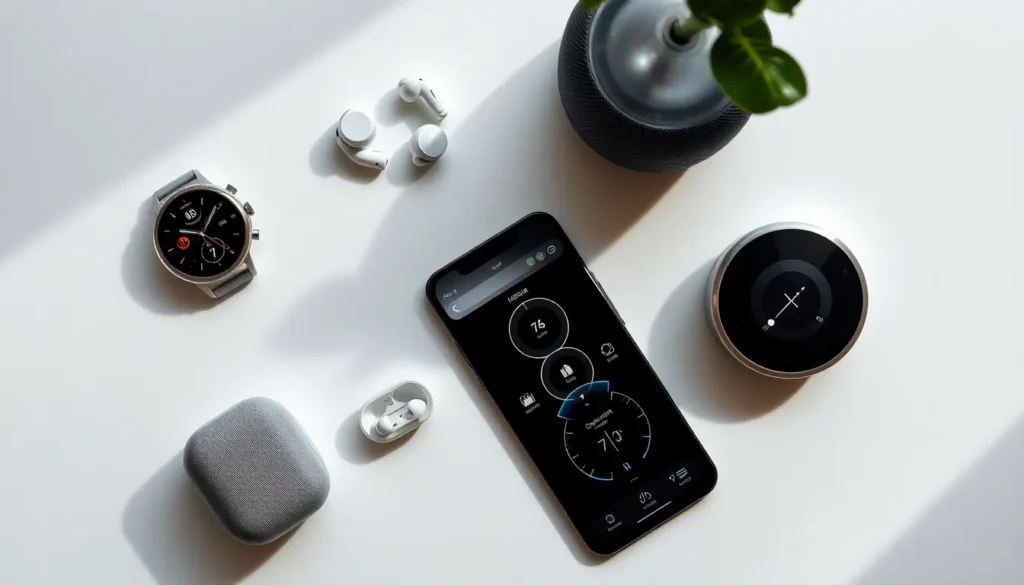
A solid gadgets guide can save buyers from wasted money and buyer’s remorse. The average American household now owns more than 20 connected devices. With so many options on the market, picking the right tech requires strategy. This guide breaks down how to match gadgets to actual needs, which categories deserve attention, and how to get real value from every purchase. Whether someone wants a smarter home, better fitness tracking, or simply fewer charging cables, the right approach starts here.
Table of Contents
ToggleKey Takeaways
- A good gadgets guide helps buyers match devices to real needs, preventing wasted money on tech that ends up unused.
- Before purchasing any gadget, identify the specific problem it solves and ensure it integrates with your existing devices.
- Smart home devices like thermostats can reduce energy costs by 10-15% annually, offering measurable value beyond convenience.
- Evaluate battery life, build quality, and software update longevity—these factors determine whether a gadget stays useful or becomes obsolete.
- Save money by shopping during sales cycles, considering refurbished options, and buying previous-generation models that deliver similar performance at lower prices.
Understanding Your Gadget Needs
Before browsing any gadgets guide or product review, buyers should answer one question: what problem needs solving? A gadget purchase works best when it fills a genuine gap. Otherwise, that shiny new device ends up in a drawer within three months.
Start by listing daily frustrations or tasks that take too long. Someone who forgets to turn off lights might benefit from smart switches. A person who loses track of fitness goals could use a wearable tracker. The gadget should serve a purpose, not create another thing to charge.
Lifestyle factors matter too. A frequent traveler has different gadget needs than a remote worker who rarely leaves home. Consider these questions:
- How much time does this gadget save per week?
- Does it integrate with devices already owned?
- Will the learning curve justify the payoff?
Budget plays a role, but it shouldn’t be the only factor. A $50 gadget that collects dust costs more than a $200 device used daily. Think in terms of cost per use rather than sticker price alone.
Compatibility deserves attention early in the process. Apple users typically get better results from Apple-ecosystem gadgets. Android users have more flexibility but face occasional integration headaches. Checking compatibility upfront prevents returns and frustration later.
Essential Gadget Categories to Consider
Any comprehensive gadgets guide should cover the categories where most buyers find real value. Two areas stand out for their everyday impact: smart home devices and wearable technology.
Smart Home Devices
Smart home gadgets have moved from novelty to necessity for many households. Voice assistants like Amazon Echo and Google Nest Hub serve as central hubs. They control lights, thermostats, locks, and entertainment systems through simple voice commands.
Smart thermostats offer measurable savings. The Ecobee and Google Nest Learning Thermostat can reduce heating and cooling costs by 10-15% annually. They learn household patterns and adjust temperatures automatically.
Smart lighting systems like Philips Hue and LIFX let users set schedules, change colors, and control brightness from anywhere. Motion sensors add security and convenience. Smart plugs turn ordinary appliances into connected devices for under $20 each.
Security cameras and video doorbells round out most smart home setups. Ring, Arlo, and Google Nest offer options at various price points. Look for features like local storage, two-way audio, and night vision.
Wearable Technology
Wearables track health metrics, deliver notifications, and keep users connected without pulling out a phone. The Apple Watch dominates market share, but competitors like Samsung Galaxy Watch and Garmin devices offer strong alternatives.
Fitness trackers from Fitbit and Whoop focus specifically on health data. They monitor heart rate, sleep quality, and activity levels. Athletes often prefer Garmin watches for their GPS accuracy and training features.
Smart rings represent a newer wearable category. The Oura Ring tracks sleep and recovery metrics in a subtle form factor. These gadgets appeal to users who want data without a screen on their wrist.
When choosing wearables, battery life matters significantly. Some smartwatches need daily charging. Others last a week or more. Match the charging frequency to personal habits before buying.
Key Features to Evaluate Before Buying
Every gadgets guide should help buyers compare features that actually matter. Marketing hype often highlights specs that sound impressive but deliver little real-world benefit.
Battery Life: This single factor determines whether a gadget gets used or abandoned. Check independent reviews for real-world battery performance, not just manufacturer claims. A device that dies mid-day becomes a burden.
Build Quality: Cheap materials lead to early failures. Metal and quality plastics last longer than bargain alternatives. Water resistance ratings (IP67, IP68) indicate durability for active users.
Software Updates: Gadgets need ongoing software support. Check how long the manufacturer provides updates. A phone that stops receiving security patches after two years loses value quickly.
Ecosystem Integration: The best gadget works seamlessly with existing devices. A smart speaker that can’t control current smart bulbs creates more problems than it solves. Verify compatibility before checkout.
Privacy and Security: Connected gadgets collect data. Review privacy policies and understand what information gets stored, shared, or sold. Strong encryption and local processing options protect user data better than cloud-dependent alternatives.
Repairability: Some gadgets allow battery replacements and repairs. Others require complete replacement when something fails. Right-to-repair scores from iFixit help identify products designed to last.
Reading multiple reviews from different sources gives a clearer picture than relying on a single opinion. Look for patterns in complaints across reviews. If multiple users mention the same flaw, take it seriously.
Tips for Getting the Best Value on Gadgets
Smart shopping turns a good gadgets guide into actual savings. Timing and strategy matter as much as product selection.
Wait for Sales Cycles: Major retailers discount gadgets predictably. Black Friday, Prime Day, and back-to-school seasons offer genuine deals. New product releases often trigger price drops on previous models.
Consider Refurbished Options: Manufacturer-certified refurbished gadgets cost 15-30% less than new. Apple, Amazon, and Best Buy all sell refurbished devices with warranties. These products undergo testing and repairs before resale.
Check Price History: Tools like CamelCamelCamel and Honey track Amazon price fluctuations. A “sale” price might actually be higher than last month’s regular price. Historical data reveals true deals.
Skip Extended Warranties (Usually): Credit cards often include purchase protection and extended warranty benefits. Manufacturer warranties cover the most failure-prone period. Third-party warranties rarely provide enough value.
Buy Previous-Generation Models: The newest gadget version typically offers minor improvements over its predecessor. A one-year-old flagship smartphone or smartwatch delivers 90% of the performance at 50-70% of the cost.
Set Price Alerts: Major retailers and third-party tools send notifications when target prices drop. This prevents impulse purchases while ensuring buyers catch genuine discounts.
Read Return Policies: Before buying any gadget, confirm the return window and conditions. A 30-day return policy allows real-world testing. Restocking fees cut into potential refunds.