
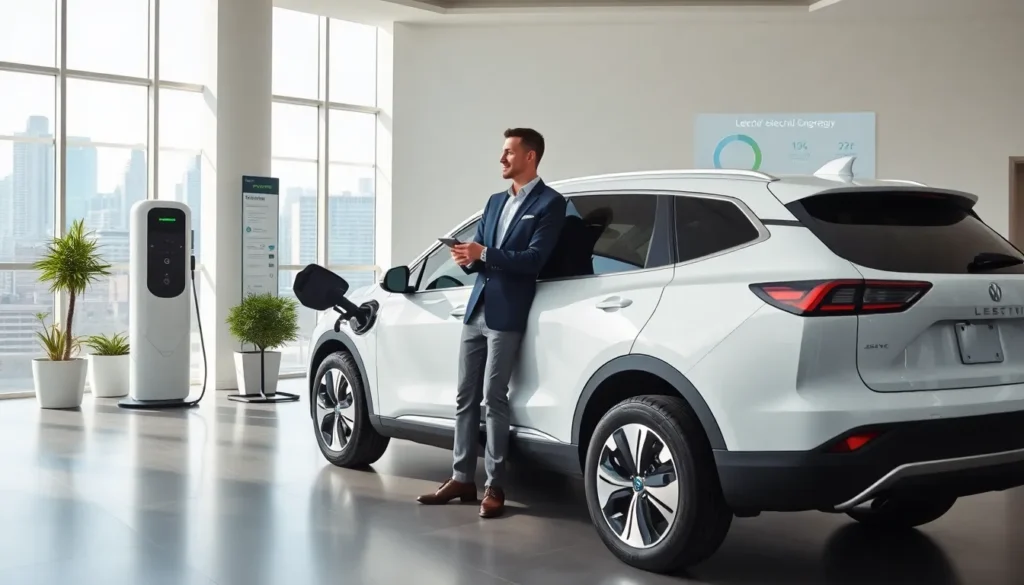
Electric vehicles have moved from niche curiosity to mainstream transportation. Sales hit record highs in 2024, and automakers now offer dozens of models across every price range. This electric vehicles guide covers the essentials, how EVs work, what types exist, and what buyers should consider before making a purchase.
Whether someone wants to cut fuel costs, reduce emissions, or simply enjoy a quieter ride, electric vehicles deliver real advantages. But they also come with unique considerations around charging, range, and upfront costs. Understanding these factors helps buyers make smarter decisions.
Table of Contents
ToggleKey Takeaways
- Electric vehicles convert over 85% of battery energy into motion, making them far more efficient than gas engines that waste about 70% of fuel energy as heat.
- This electric vehicles guide covers three main EV types: Battery Electric Vehicles (BEVs), Plug-in Hybrids (PHEVs), and Hybrid Electric Vehicles (HEVs)—each suited to different driving needs.
- EV owners save $800–$1,000 annually on fuel and 30–40% on maintenance compared to gas vehicle drivers.
- Most EV owners charge at home overnight using Level 2 chargers, while DC fast charging stations handle road trips with 100–200 miles of range added in just 20–30 minutes.
- Federal tax credits up to $7,500 remain available for qualifying electric vehicles in 2025, with many states offering additional incentives.
- Before buying, evaluate your daily range needs, home charging access, upfront costs, and how cold weather in your region may affect battery performance.
How Electric Vehicles Work
Electric vehicles run on battery power instead of gasoline. A large lithium-ion battery pack stores electricity, which powers one or more electric motors. These motors convert electrical energy into mechanical energy that turns the wheels.
The process is remarkably efficient. Traditional gas engines waste about 70% of fuel energy as heat. Electric motors convert over 85% of battery energy into motion. This efficiency explains why EVs cost less to operate per mile than gas-powered cars.
Regeneration braking adds another efficiency layer. When drivers slow down or brake, the motor runs in reverse. It captures kinetic energy and sends it back to the battery. This feature extends driving range, especially in stop-and-go traffic.
Most electric vehicles use single-speed transmissions. Electric motors produce maximum torque instantly, so they don’t need multiple gears. This design creates smooth, linear acceleration that many drivers find enjoyable.
The battery management system monitors cell temperature, charge levels, and power distribution. It protects the battery from damage and optimizes performance in various conditions.
Types Of Electric Vehicles Available
Buyers can choose from three main categories of electric vehicles. Each type offers different benefits depending on driving habits and priorities.
Battery Electric Vehicles (BEVs) run entirely on electricity. They have no gas engine, no tailpipe, and zero direct emissions. Popular examples include the Tesla Model 3, Chevrolet Bolt, and Ford Mustang Mach-E. BEVs typically offer 200-350 miles of range on a full charge.
Plug-in Hybrid Electric Vehicles (PHEVs) combine a battery with a traditional gas engine. They can drive 20-50 miles on electricity alone before the gas engine kicks in. The Toyota RAV4 Prime and Jeep Wrangler 4xe fall into this category. PHEVs suit drivers who want electric benefits but need gas backup for longer trips.
Hybrid Electric Vehicles (HEVs) use a small battery that charges through regenerative braking. They can’t plug in, but they improve fuel economy significantly. The Toyota Prius remains the most recognized hybrid on the market.
This electric vehicles guide focuses primarily on BEVs, since they represent the purest form of electric transportation and offer the greatest long-term savings.
Benefits Of Driving An Electric Vehicle
Electric vehicles offer several practical advantages over gas-powered alternatives.
Lower Operating Costs
Electricity costs less than gasoline in most regions. The average American driver spends about $1,500 annually on fuel. An equivalent electric vehicle costs roughly $500-700 to charge for the same miles. That’s a savings of $800-1,000 per year.
Reduced Maintenance
Electric vehicles have fewer moving parts. No oil changes. No transmission fluid. No spark plugs or timing belts. Brake pads last longer thanks to regenerative braking. Owners typically spend 30-40% less on maintenance compared to gas vehicles.
Environmental Impact
EVs produce zero tailpipe emissions. Even when accounting for power plant emissions, electric vehicles generate less pollution than gas cars in most U.S. regions. As the grid shifts toward renewable energy, this advantage grows.
Driving Experience
Instant torque makes EVs surprisingly quick off the line. The quiet cabin and smooth acceleration create a refined driving experience. Many owners say they’ll never go back to gas.
Tax Incentives
Federal tax credits up to $7,500 remain available for qualifying electric vehicles in 2025. Many states offer additional rebates, HOV lane access, and reduced registration fees.
Charging Options And Infrastructure
Charging infrastructure continues to expand rapidly across the United States. Understanding the options helps buyers plan effectively.
Level 1 Charging uses a standard 120-volt household outlet. It adds about 3-5 miles of range per hour. This works for overnight charging if daily driving stays under 40 miles.
Level 2 Charging requires a 240-volt outlet (like a dryer plug). It adds 25-30 miles of range per hour. Most EV owners install a Level 2 charger at home for overnight charging. Installation costs $500-2,000 depending on electrical work needed.
DC Fast Charging provides the quickest option. These public stations can add 100-200 miles of range in 20-30 minutes. Networks like Electrify America, ChargePoint, and Tesla Superchargers operate thousands of locations nationwide.
Most electric vehicle owners charge at home 80% of the time. They plug in at night and wake up to a full battery. Public charging typically handles road trips and occasional top-ups.
The charging network grew 30% in 2024. Major retailers, gas stations, and highway rest stops now host charging stations. Apps like PlugShare help drivers locate stations along any route.
Key Factors To Consider Before Buying
This electric vehicles guide wouldn’t be complete without covering the practical buying considerations.
Range Requirements
Most Americans drive fewer than 40 miles daily. Nearly any modern EV handles this easily. But buyers should consider occasional longer trips. A 250-mile range covers most use cases without frequent charging stops.
Charging Access
Home charging makes EV ownership far more convenient. Apartment dwellers or those without dedicated parking should research workplace charging or nearby public stations before buying.
Upfront Costs
Electric vehicles cost more upfront than comparable gas models. But, federal tax credits, lower fuel costs, and reduced maintenance often offset this difference within 3-5 years.
Climate Considerations
Cold weather reduces battery range by 20-40%. Buyers in northern states should factor this into range calculations. Many EVs now include heat pumps that minimize cold-weather efficiency losses.
Resale Value
EV resale values have stabilized as the market matures. Tesla models hold value particularly well. Buyers should research specific models before purchasing.
Model Selection
SUVs, sedans, trucks, and even sports cars now come in electric versions. The right choice depends on lifestyle, family size, and personal preferences.