
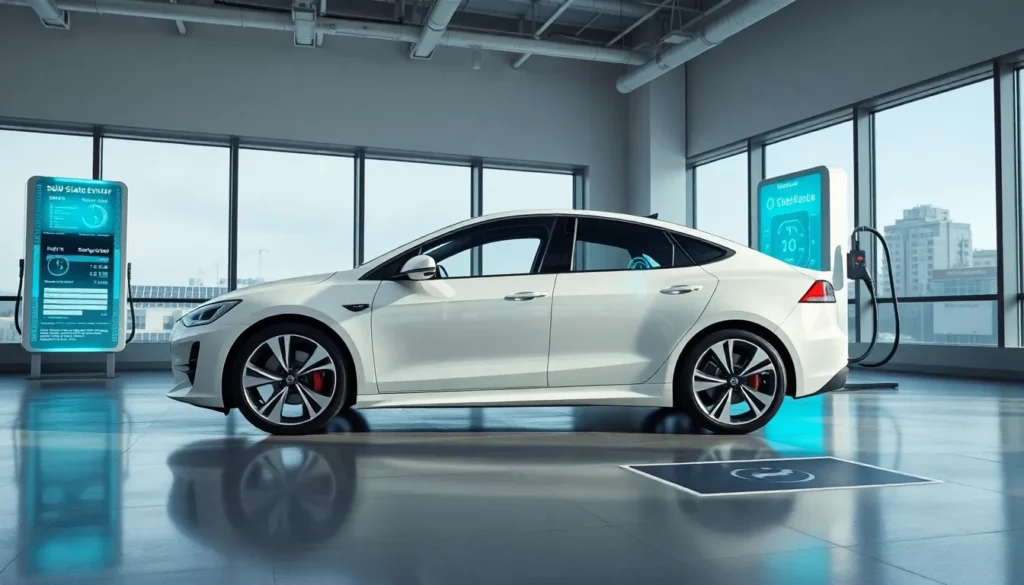
Electric vehicles ideas are changing how people think about transportation. From longer-lasting batteries to smarter charging networks, innovation is happening at every level of the EV industry. Automakers, startups, and researchers are introducing concepts that promise faster charging, greater range, and lower environmental impact.
This article explores the most promising electric vehicles ideas shaping the market today. Readers will discover breakthroughs in battery technology, new charging infrastructure solutions, emerging vehicle designs, connected technology features, and sustainable manufacturing practices. These developments signal a shift in how vehicles are built, powered, and used.
Table of Contents
ToggleKey Takeaways
- Electric vehicles ideas are driving major breakthroughs in battery technology, including solid-state batteries that could deliver 500+ miles of range by 2027-2028.
- Ultra-fast charging innovations now allow EVs to gain 200 miles of range in just 10 minutes, addressing the biggest consumer concern.
- Wireless charging systems and vehicle-to-grid (V2G) integration are making EV ownership more convenient while supporting the electrical grid.
- Electric vehicles ideas now span diverse form factors, from pickup trucks and commercial fleets to compact urban cars and two-wheelers.
- Sustainable manufacturing practices, including closed-loop battery recycling and second-life battery applications, are reducing the environmental impact of EVs throughout their lifecycle.
Breakthroughs in Battery Technology
Battery technology sits at the core of electric vehicles ideas. Better batteries mean longer range, faster charging, and lower costs for consumers.
Solid-State Batteries
Solid-state batteries replace liquid electrolytes with solid materials. This design offers higher energy density and improved safety. Toyota, QuantumScape, and Samsung SDI are racing to bring solid-state batteries to production vehicles by 2027 or 2028. These batteries could deliver 500+ miles of range on a single charge.
Lithium-Iron-Phosphate (LFP) Advances
LFP batteries use iron instead of cobalt, making them cheaper and more stable. Tesla and BYD have adopted LFP chemistry for their standard-range models. Recent improvements have pushed LFP energy density closer to traditional lithium-ion cells while maintaining cost advantages.
Silicon Anode Technology
Adding silicon to battery anodes increases energy storage capacity. Companies like Sila Nanotechnologies and Amprius are developing silicon-dominant anodes that could boost range by 20-40%. Some automakers plan to integrate this technology into vehicles by 2026.
Ultra-Fast Charging Capabilities
New battery architectures support charging speeds that add 200 miles of range in 10 minutes. CATL’s Shenxing battery and StoreDot’s extreme fast-charging cells represent major steps forward. These electric vehicles ideas address the biggest consumer concern: charging time.
Expanding Charging Infrastructure Solutions
Charging infrastructure remains critical to EV adoption. New electric vehicles ideas focus on making charging more accessible, faster, and convenient.
High-Power Charging Networks
Charging networks are deploying 350kW and 500kW stations across major highways. Electrify America, IONITY, and Tesla Supercharger V4 provide speeds that rival gas station fill-ups. The goal: charge most EVs to 80% in under 20 minutes.
Wireless Charging Systems
Wireless charging pads embedded in parking spots and roads eliminate the need for cables. BMW and Genesis offer wireless charging on select models. Cities like Oslo are testing in-road wireless charging for taxis. This technology could make charging as simple as parking.
Vehicle-to-Grid (V2G) Integration
V2G technology allows EVs to send power back to the electrical grid during peak demand. Ford F-150 Lightning owners can already use their trucks as backup power sources. Utilities are partnering with automakers to create V2G programs that pay EV owners for grid services.
Solar-Powered Charging Stations
Solar canopies and panels power charging stations without drawing from the grid. Companies like Beam Global and Envision Solar deploy off-grid charging solutions. These stations work in remote areas and reduce operational costs.
Emerging EV Designs and Vehicle Types
Electric vehicles ideas extend beyond traditional sedans and SUVs. New form factors and vehicle types are entering the market.
Electric Pickup Trucks
Electric trucks from Rivian, Ford, Chevrolet, and Tesla target work and adventure use cases. The Rivian R1T offers up to 400 miles of range. The Ford F-150 Lightning provides 9,600 watts of onboard power. These trucks prove that EVs can handle demanding tasks.
Electric Commercial Vehicles
Fleet operators are switching to electric vans, buses, and semi-trucks. Amazon has ordered 100,000 electric delivery vans from Rivian. Electric school buses from Blue Bird and Lion Electric reduce diesel emissions near schools. The Tesla Semi and Daimler eActros are transforming freight transport.
Compact Urban EVs
Small electric vehicles designed for city driving are gaining traction in Europe and Asia. The Citroën Ami, Microlino, and Wuling Mini EV offer affordable urban mobility. These vehicles use fewer materials and require less parking space.
Electric Two-Wheelers
Electric motorcycles and scooters represent growing segments. Harley-Davidson’s LiveWire, Zero Motorcycles, and Vespa Elettrica appeal to urban commuters and enthusiasts. In developing markets, electric scooters outsell electric cars.
Smart Features and Connected Technology
Software and connectivity define modern electric vehicles ideas. EVs are becoming mobile computing platforms.
Over-the-Air Updates
Manufacturers push software updates directly to vehicles. Tesla pioneered this approach, but BMW, Ford, and Mercedes-Benz now offer similar capabilities. These updates improve range, add features, and fix bugs without dealer visits.
Advanced Driver Assistance Systems
EVs often feature cutting-edge driver assistance technology. Tesla Autopilot, GM Super Cruise, and Mercedes Drive Pilot offer hands-free highway driving. Sensors, cameras, and AI work together to reduce driver fatigue and improve safety.
Integrated Energy Management
Smart systems optimize charging based on electricity rates, grid demand, and user schedules. Apps let owners preheat or precool their vehicles while still plugged in. Some systems route trips through charging stops automatically.
Voice Assistants and AI
Natural language processing powers in-car assistants. Drivers can control climate, navigation, and entertainment through conversation. BMW’s Intelligent Personal Assistant and Mercedes MBUX learn user preferences over time.
Sustainable Manufacturing and Recycling Concepts
Electric vehicles ideas now include the full lifecycle of a vehicle. Sustainability starts with manufacturing and extends through end-of-life recycling.
Closed-Loop Battery Recycling
Recycling programs recover lithium, cobalt, nickel, and other materials from used batteries. Redwood Materials, Li-Cycle, and battery manufacturers operate recycling facilities. Recovered materials re-enter the supply chain, reducing the need for new mining.
Second-Life Battery Applications
Batteries that no longer meet vehicle standards still hold 70-80% capacity. These batteries power stationary energy storage systems for homes and businesses. Nissan and BMW have deployed second-life battery projects worldwide.
Low-Carbon Production Methods
Automakers are reducing emissions in their factories. Volvo aims for climate-neutral manufacturing by 2025. BMW sources aluminum produced with solar power. Some factories run entirely on renewable energy.
Sustainable Materials
Interior materials increasingly come from recycled and plant-based sources. BMW uses recycled fishing nets for interior trim. Ford incorporates recycled ocean plastic. These choices reduce the environmental footprint of each vehicle.