
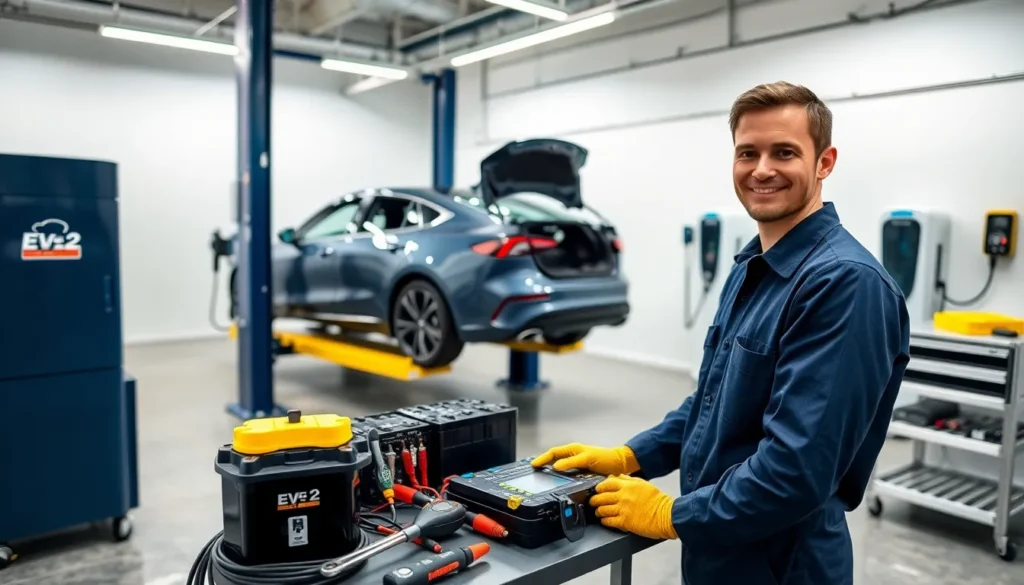
Electric vehicles tools have become essential for anyone who owns or works on an EV. The shift from internal combustion engines to battery-powered systems requires a different set of equipment. Traditional wrenches and socket sets still matter, but high-voltage safety gear, specialized diagnostic devices, and proper charging equipment now take center stage.
Whether someone drives a Tesla, Rivian, or Chevy Bolt, they need the right tools to maintain their vehicle safely and efficiently. Technicians face even greater demands, they must handle battery packs, electric motors, and complex onboard computers. This guide covers the essential electric vehicles tools that every EV owner and professional mechanic should have on hand.
Table of Contents
ToggleKey Takeaways
- Electric vehicles tools include high-voltage safety gear, diagnostic devices, and specialized charging equipment that differ significantly from traditional auto tools.
- Level 2 chargers add 20–40 miles of range per hour, making them far more practical than the standard Level 1 chargers included with most EVs.
- OBD-II scanners designed for EVs can monitor battery health, motor performance, and charging system status—essential for both DIY owners and technicians.
- Safety is non-negotiable when working on EV battery systems: Class 0 insulated gloves, arc-rated face shields, and high-voltage disconnect tools are mandatory.
- Every EV owner should carry a portable tire inflator, 12-volt jump starter, and EV charger adapter kit for roadside emergencies.
- Invest in quality electric vehicles tools from reputable brands—cheap safety equipment can fail when you need it most.
Home Charging Equipment and Accessories
Home charging ranks as the most practical way to keep an EV powered up. Most electric vehicle owners charge overnight and wake to a full battery. But the right equipment makes this process faster, safer, and more convenient.
Level 1 vs. Level 2 Chargers
Every EV comes with a Level 1 charger that plugs into a standard 120-volt outlet. It works, but it’s slow, adding only 3 to 5 miles of range per hour. For most drivers, that won’t cut it.
A Level 2 charger connects to a 240-volt outlet (like those used for dryers). These units add 20 to 40 miles of range per hour. Popular options include the ChargePoint Home Flex, Grizzl-E, and Tesla Wall Connector.
Charging Accessories Worth Having
A few accessories improve the home charging experience:
- Cable organizers and hooks keep cords off the ground and prevent damage
- Outlet testers verify that electrical connections are safe before plugging in
- Portable Level 2 chargers offer flexibility for renters or those who travel frequently
- Surge protectors rated for EV chargers guard against electrical spikes
These electric vehicles tools ensure reliable charging at home. They also protect the vehicle’s onboard charger from damage.
Diagnostic and Maintenance Tools for EVs
EVs have fewer moving parts than gas cars, but they still need regular maintenance. And when something goes wrong, technicians need specialized diagnostic tools to identify problems.
OBD-II Scanners for Electric Vehicles
A quality OBD-II scanner reads error codes from the vehicle’s computer system. But, not all scanners work well with EVs. Some popular options that support electric vehicles include:
- BlueDriver – Works via Bluetooth and provides detailed diagnostics
- Launch CRP123 – Covers multiple vehicle systems including battery health
- Autel MaxiCOM MK808 – Professional-grade scanner with EV-specific features
These tools display battery state of health, motor performance data, and charging system status. They’re essential electric vehicles tools for both DIY owners and shop technicians.
Battery Testing Equipment
EV batteries degrade over time. A battery analyzer measures capacity, voltage balance across cells, and overall health. This information helps owners decide when to replace battery modules.
Torque Wrenches and Insulated Hand Tools
Proper torque matters on EVs, especially for battery connections and wheel lug nuts. A digital torque wrench provides accurate readings. Insulated hand tools rated for 1,000 volts protect technicians during electrical work.
Safety Equipment for High-Voltage Systems
EV battery packs operate at 400 to 800 volts. That voltage can kill. Safety equipment isn’t optional, it’s mandatory.
Personal Protective Equipment (PPE)
Anyone working on high-voltage EV systems needs:
- Class 0 insulated gloves rated for up to 1,000 volts
- Leather protector gloves worn over insulated gloves
- Safety glasses with side shields
- Arc-rated face shields for battery work
- Insulated floor mats to prevent ground faults
These electric vehicles tools and safety items prevent electrical shock and burns. Technicians should test insulated gloves before each use with an air test or electronic tester.
High-Voltage Disconnect Tools
Before any major repair, technicians must disable the high-voltage system. This requires:
- Service disconnect plugs specific to the vehicle model
- Lockout/tagout kits to prevent accidental re-energization
- Voltage testers to confirm the system is de-energized
Never assume an EV battery is safe. Always verify with a meter.
Must-Have Roadside Emergency Tools
Electric vehicles can break down just like any other car. Flat tires, dead 12-volt batteries, and other issues still happen. A well-stocked emergency kit keeps drivers prepared.
Basic Roadside Kit Contents
Every EV owner should carry:
- Portable tire inflator – Many EVs don’t include spare tires
- Tire repair kit – Plugs and patches for minor punctures
- 12-volt jump starter – The 12-volt battery powers accessories and may need a boost
- Reflective triangles and LED flares – Signal other drivers during breakdowns
- Flashlight with fresh batteries
EV-Specific Emergency Items
Some electric vehicles tools address EV-specific situations:
- Portable EV charger adapter kit – Allows charging at various outlet types
- Extension cord rated for Level 1 charging – Helps reach distant outlets in emergencies
- Tow strap rated for vehicle weight – EVs can be heavy due to battery packs
One important note: flatbed towing is usually required for EVs. Dragging an EV by its wheels can damage the electric motor.
Choosing the Right Tools for Your EV Needs
Not everyone needs every tool on this list. The right electric vehicles tools depend on the owner’s situation.
For Home Owners and DIY Enthusiasts
Casual EV owners should prioritize:
- A Level 2 home charger
- An OBD-II scanner compatible with their vehicle
- A basic roadside emergency kit
- A portable tire inflator
These items cover daily charging and common problems. They cost a few hundred dollars total.
For Professional Technicians
Shop technicians need more advanced electric vehicles tools:
- Full PPE kit with insulated gloves and face protection
- Professional diagnostic scanner with EV support
- Battery testing and analysis equipment
- Insulated hand tools rated for high voltage
- Lockout/tagout supplies
This investment runs into thousands of dollars. But shops that service EVs can charge premium labor rates.
Quality Over Quantity
Cheap tools fail at the worst times. For safety equipment especially, buy from reputable brands. Klein Tools, Knipex, and Wiha all make insulated hand tools that meet international safety standards.
Electric vehicles tools should last for years. Spending more upfront saves money and frustration later.