
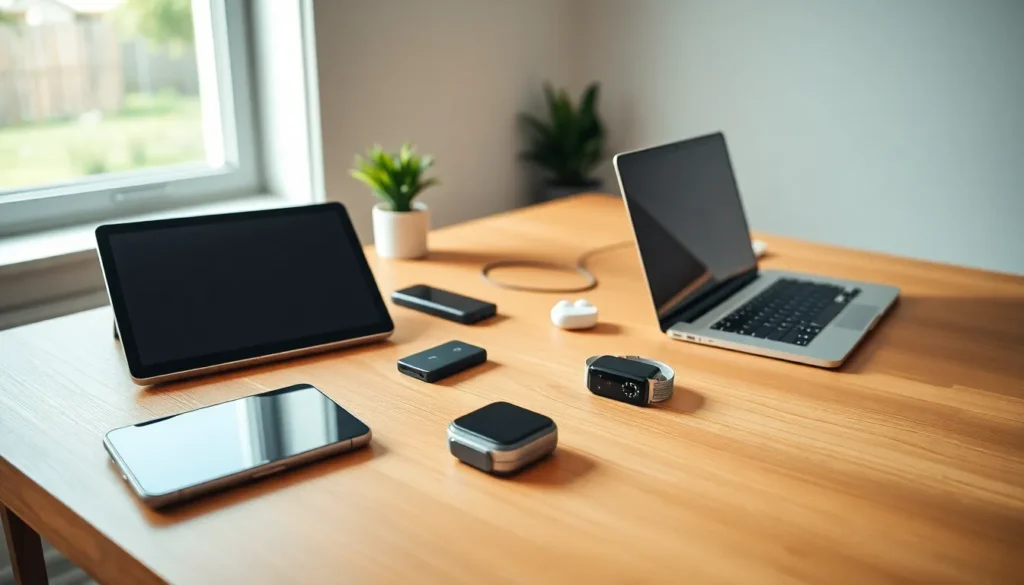
Smart gadgets tips can transform how people use their devices every day. Most users only scratch the surface of what their technology can do. A few simple adjustments often unlock better performance, longer battery life, and a smoother experience overall.
Whether someone owns the latest smartphone, a tablet, smartwatch, or laptop, the same core principles apply. This guide covers practical gadgets tips that work across devices. Readers will learn how to keep their tech secure, extend battery life, organize digital clutter, discover hidden features, and protect their investments for years to come.
Table of Contents
ToggleKey Takeaways
- Enable automatic software updates and use strong passwords to protect your gadgets from security vulnerabilities and cyberattacks.
- Extend battery life by adjusting screen brightness, managing background apps, and keeping charge levels between 20% and 80%.
- Declutter your digital space by backing up photos to the cloud, organizing files into folders, and deleting unused apps monthly.
- Learn hidden features and keyboard shortcuts on your devices to save time and boost daily productivity.
- Protect your gadgets with quality cases, proper cleaning habits, and careful heat management to extend their lifespan and maintain resale value.
Keep Your Devices Updated and Secure
One of the most overlooked gadgets tips involves software updates. Many people tap “remind me later” when update notifications appear. This habit creates security vulnerabilities and performance issues.
Software updates patch security holes that hackers actively exploit. In 2024, over 60% of successful cyberattacks targeted devices running outdated software. That’s a risk no one should take.
Here’s what users should do:
- Enable automatic updates on all devices. This applies to operating systems, apps, and firmware.
- Restart devices weekly. Many updates only install after a reboot.
- Delete unused apps. Old, abandoned apps rarely receive security patches and create entry points for malware.
Beyond updates, strong passwords matter. A password manager generates and stores unique passwords for every account. Two-factor authentication adds another layer of protection. These steps take minutes to set up but provide lasting security.
For gadgets like smart home devices, users should check manufacturer websites for firmware updates. Many IoT devices don’t update automatically, leaving them vulnerable if owners forget to check.
Optimize Battery Life Across All Gadgets
Battery anxiety affects almost everyone with a smartphone. These gadgets tips help extend battery life without sacrificing usability.
Adjust screen brightness. Displays consume more power than any other component. Enabling auto-brightness or keeping levels at 50% or lower makes a significant difference. On smartphones and laptops, dark mode also reduces energy consumption on OLED screens.
Manage background apps. Apps running in the background drain batteries silently. Both iOS and Android offer battery usage breakdowns in settings. Users can identify power-hungry apps and restrict their background activity.
Turn off unnecessary connections. Bluetooth, Wi-Fi, and location services constantly search for signals when enabled. Turning them off when not in use conserves power. Airplane mode works well in low-signal areas where devices work harder to maintain connections.
Mind the charging habits. Keeping batteries between 20% and 80% charge extends their lifespan. Fast charging generates heat, which degrades battery health over time. When possible, users should charge devices slowly overnight using standard chargers.
These gadgets tips apply equally to tablets, smartwatches, wireless earbuds, and laptops. Small adjustments compound into hours of extra battery life each week.
Organize and Declutter Your Digital Space
Digital clutter slows devices down and makes finding files frustrating. A clean digital space improves both performance and productivity.
Start with photos and videos. Media files consume the most storage on most devices. Cloud backup services like Google Photos, iCloud, or Dropbox automatically store files online and free up local space. Users should delete duplicates and blurry shots regularly.
Organize files into folders. A simple folder structure saves time. Categories like “Work,” “Personal,” “Finance,” and “Projects” make searching unnecessary. Consistent naming conventions help even more.
Clean up email. The average inbox contains thousands of unread messages. Unsubscribing from newsletters, deleting old emails, and using filters reduces clutter. Most email providers offer tools that automatically sort incoming messages.
Review installed apps. People download apps they use once and forget. These gadgets tips include auditing installed applications monthly. If an app hasn’t been opened in 60 days, it probably deserves deletion.
Cloud storage syncs across devices, so organizing once benefits every gadget someone owns. The result is faster performance and less time searching for important files.
Learn Hidden Features and Shortcuts
Every device contains features most users never discover. Learning these shortcuts makes daily tasks faster and more enjoyable.
Smartphones hide plenty of tricks. On iPhones, tapping the back of the device twice triggers custom actions. Android users can enable one-handed mode for easier use. Both platforms support text replacement, turning short codes into frequently typed phrases.
Keyboard shortcuts save time on laptops. Beyond copy and paste, users should learn:
- Ctrl/Cmd + Shift + T reopens closed browser tabs
- Win + D or Cmd + H shows the desktop instantly
- Alt + Tab or Cmd + Tab switches between applications
Voice assistants do more than answer questions. Siri, Google Assistant, and Alexa set reminders, control smart home devices, send messages, and translate languages. Users who treat these assistants as productivity tools gain significant time savings.
Accessibility features benefit everyone. Text-to-speech reads articles aloud during commutes. Magnification helps read small text. These features exist on every major platform and improve the experience for all users, not just those with disabilities.
These gadgets tips encourage exploration. Spending 10 minutes reading through a device’s settings often reveals features worth knowing.
Protect Your Gadgets With Proper Care
Physical protection extends device lifespan and maintains resale value. A few simple habits prevent costly repairs.
Use quality cases and screen protectors. A $30 case prevents $300 screen replacements. Tempered glass screen protectors absorb impact and resist scratches. For laptops, padded sleeves protect during transport.
Keep devices clean. Dust and debris clog ports and vents. A soft, lint-free cloth removes smudges from screens. Compressed air clears debris from keyboards, charging ports, and speaker grilles. Users should avoid harsh chemicals that damage coatings.
Manage heat exposure. Extreme temperatures harm batteries and internal components. Leaving a phone in a hot car or using a laptop on bedding that blocks ventilation causes damage. Gadgets perform best in moderate temperatures between 50°F and 95°F.
Handle charging cables carefully. Bent or frayed cables damage charging ports. Users should unplug cables by gripping the connector, not pulling the cord. Wireless charging eliminates port wear entirely.
These gadgets tips protect investments that cost hundreds or thousands of dollars. Prevention costs far less than repair or replacement.


