
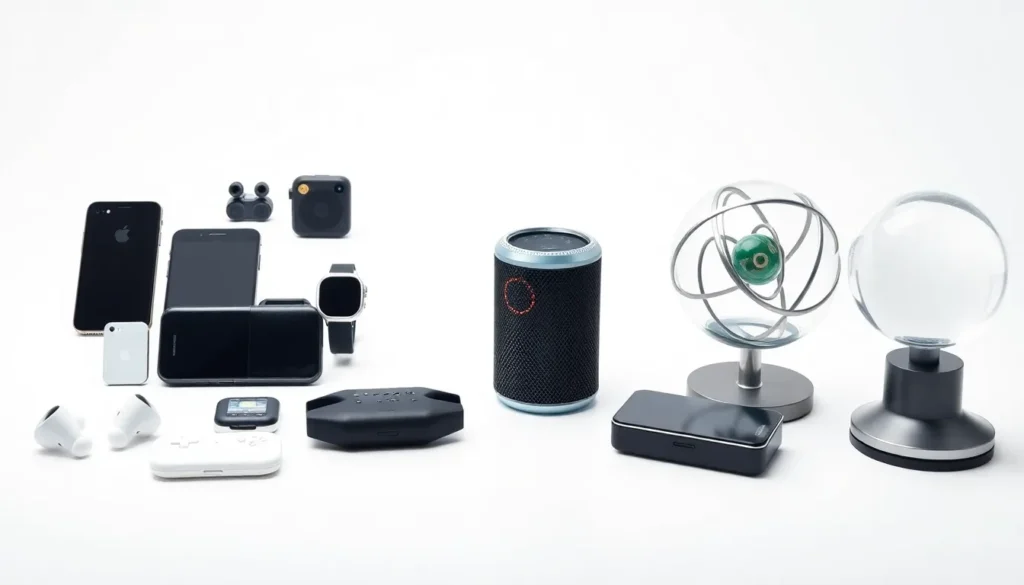
The debate of gadgets vs. gizmos confuses even tech enthusiasts. Both terms describe small electronic devices, yet they carry distinct meanings. People use these words interchangeably, but key differences exist between them. Understanding these differences helps consumers make smarter purchasing decisions. This guide breaks down what separates gadgets from gizmos, provides real-world examples, and offers practical advice for choosing the right tech.
Table of Contents
ToggleKey Takeaways
- Gadgets serve practical, everyday purposes like smartphones and fitness trackers, while gizmos prioritize novelty and entertainment.
- In the gadgets vs. gizmos comparison, gadgets are mainstream products from reputable brands, whereas gizmos often appear in specialty shops or crowdfunding platforms.
- Gadgets typically have longer relevance and receive updates, while gizmos tend to fade quickly after initial novelty wears off.
- Before buying, ask whether the device solves a real problem and how often you’ll use it to determine if it’s a worthwhile gadget or just a gizmo.
- The gadgets vs. gizmos classification can shift over time—early GPS units were considered novelties but are now essential technology.
- Invest in gadgets that improve daily life and reserve gizmo purchases for gifts or occasional curiosity to keep tech spending efficient.
What Defines a Gadget
A gadget is a small mechanical or electronic device that serves a specific purpose. The word “gadget” first appeared in the 19th century, likely among sailors who used it to describe unnamed tools. Today, gadgets typically refer to portable, innovative devices that solve everyday problems.
Gadgets share several defining characteristics:
- Practical functionality: Every gadget performs a clear task. A smartphone makes calls, sends messages, and runs apps. A fitness tracker monitors heart rate and counts steps.
- Portability: Most gadgets fit in a pocket, bag, or hand. They’re designed for on-the-go use.
- Innovation: Gadgets often represent technological advancement. They introduce new ways to accomplish tasks.
- Consumer electronics: The term usually applies to personal tech products rather than industrial equipment.
The gadgets vs. gizmos distinction becomes clearer when examining purpose. Gadgets serve defined, practical functions. A smartwatch tells time, tracks fitness, and displays notifications. A wireless earbud plays audio. These devices solve real problems for users.
Gadgets also tend to be mainstream products. Major companies manufacture them for mass markets. Apple’s iPhone, Samsung’s Galaxy Buds, and Fitbit’s trackers all qualify as gadgets. They’re tested, refined, and sold to millions of consumers.
What Qualifies as a Gizmo
A gizmo is a small device or contraption, often with an unclear or novelty purpose. The term carries a more whimsical connotation than “gadget.” Gizmos might be experimental, quirky, or simply fun rather than essential.
Gizmos typically feature these traits:
- Novelty appeal: Many gizmos exist for entertainment or curiosity. They might perform tricks, create effects, or simply look interesting.
- Unclear naming: People often call something a gizmo when they don’t know its proper name. “Hand me that gizmo” suggests unfamiliarity.
- Experimental nature: Prototypes, DIY creations, and early-stage inventions often get labeled as gizmos.
- Limited practical use: Unlike gadgets, gizmos may not solve obvious problems. Their value lies in novelty or niche applications.
In the gadgets vs. gizmos comparison, gizmos occupy the more playful side. A desktop Newton’s cradle is a gizmo. A plasma ball that responds to touch counts as a gizmo. These items entertain but don’t serve critical functions.
Gizmos also include one-off inventions and crowdfunded curiosities. That Kickstarter project for a levitating plant pot? It’s a gizmo. The USB-powered mini fridge for one soda can? Also a gizmo. These products prioritize novelty over necessity.
Key Differences Between Gadgets and Gizmos
The gadgets vs. gizmos debate comes down to several factors. Here’s how these categories differ:
Purpose and Function
Gadgets serve clear, practical purposes. A portable charger powers devices. A Bluetooth speaker plays music. Users buy gadgets to accomplish specific tasks.
Gizmos prioritize novelty or entertainment. A motion-activated candy dispenser is fun but hardly essential. An LED cube that displays patterns looks cool but solves no problem.
Market Position
Gadgets dominate mainstream retail. Best Buy, Amazon, and Apple Stores stock gadgets. These products undergo extensive development and testing.
Gizmos often appear in specialty shops, gift stores, or crowdfunding platforms. They cater to niche audiences seeking unique items.
Longevity
Gadgets tend to have longer relevance. Smartphones evolved from basic models to powerful computers over two decades. Each generation improved upon the last.
Gizmos often fade quickly. That singing fish wall mount from 2000? It’s now in landfills or garage sales. Gizmos rarely inspire lasting product lines.
Perception
Calling something a gadget implies respect. It suggests useful technology. The gadgets vs. gizmos language matters in marketing. Companies want their products labeled as gadgets, not gizmos.
Gizmo carries a slightly dismissive tone. It implies something frivolous or unnecessary. Serious tech rarely earns this label.
Common Examples in Everyday Life
Understanding gadgets vs. gizmos becomes easier with concrete examples. Here’s how common products fit into each category:
Gadgets:
- Smartphones and tablets
- Smartwatches and fitness trackers
- Wireless earbuds and headphones
- E-readers like Kindle
- Portable Bluetooth speakers
- Action cameras like GoPro
- Smart home devices (thermostats, doorbells)
Gizmos:
- Novelty USB accessories (mini vacuum cleaners, heated slippers)
- Desktop toys and curiosities
- Single-purpose kitchen contraptions
- Light-up or musical greeting cards
- Promotional tech items from trade shows
- Quirky phone accessories with limited utility
Some products blur the line. A drone can be a gadget for photographers or a gizmo for hobbyists who fly it twice then forget it. Context and use determine the classification.
The gadgets vs. gizmos distinction also shifts over time. Early GPS units seemed like gizmos to some consumers. Now, navigation technology is essential. What starts as a novelty can become a necessity.
How to Choose the Right Tech for Your Needs
When comparing gadgets vs. gizmos, smart shoppers ask key questions before buying:
Will this solve a real problem? If the answer is yes, it’s likely a worthwhile gadget. If the answer involves “it would be cool to have,” it might be a gizmo.
How often will this get used? Gadgets earn daily or weekly use. A smartphone is essential. A Bluetooth tracker prevents lost keys. Gizmos often get used once or twice before collecting dust.
Does this have lasting value? Gadgets from reputable brands receive updates, repairs, and accessories. Gizmos from unknown manufacturers may break without replacement parts.
What do reviews say? Gadgets generate detailed reviews from tech experts. Gizmos might only have novelty reactions or limited feedback.
Is the price justified? Gadgets offer value through daily utility. Spending $300 on wireless earbuds makes sense if they’re used constantly. Spending $30 on a gizmo that entertains for five minutes does not.
The gadgets vs. gizmos framework helps prioritize purchases. Invest in gadgets that improve daily life. Reserve gizmo purchases for gifts, impulse buys, or genuine curiosity. This approach keeps tech spending efficient and purposeful.


