
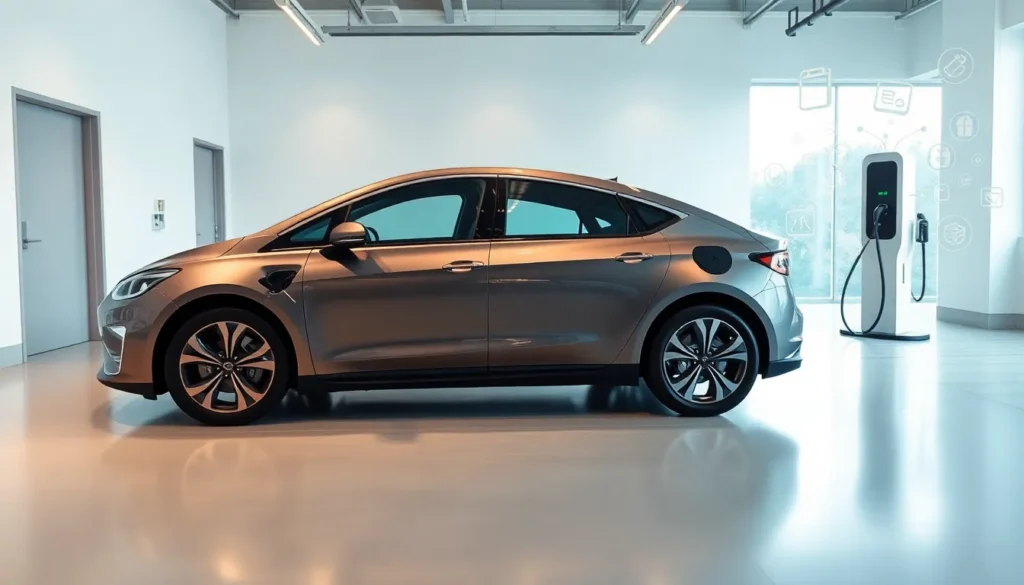
Electric vehicles are changing how people think about transportation. Instead of burning gasoline, these cars run on electricity stored in batteries. The result? Fewer emissions, lower fuel costs, and a quieter ride.
But what is an electric vehicle, really? And how does it differ from a traditional gas-powered car? This guide breaks down everything beginners need to know about EVs, from how they work to the different types available, their benefits, and the challenges buyers should consider before making the switch.
Table of Contents
ToggleKey Takeaways
- Electric vehicles run on electricity stored in lithium-ion batteries, offering 200–400 miles of range per charge depending on the model.
- Three main types of electric vehicles exist: Battery Electric Vehicles (BEVs), Plug-in Hybrids (PHEVs), and Hybrid Electric Vehicles (HEVs).
- EV owners save money on fuel—electricity costs roughly $1.22 per gallon equivalent compared to over $3 for gasoline.
- Electric vehicles require significantly less maintenance due to fewer moving parts and no need for oil changes or transmission service.
- Federal tax credits up to $7,500 and state incentives help offset the higher upfront cost of electric vehicles.
- Potential buyers should consider charging infrastructure, range limitations, and longer refueling times before switching to an EV.
How Electric Vehicles Work
An electric vehicle uses electricity instead of gasoline to power its motor. The basic components include a battery pack, an electric motor, and a charging system.
The battery pack stores energy. Most modern electric vehicles use lithium-ion batteries, similar to the ones in smartphones but much larger. These batteries hold enough charge to power the vehicle for 200 to 300 miles on average, though some models exceed 400 miles per charge.
The electric motor converts stored electricity into motion. Unlike internal combustion engines with hundreds of moving parts, an electric motor has far fewer components. This simplicity means less maintenance and fewer things that can break.
When the driver presses the accelerator, the motor draws power from the battery and spins the wheels. Many electric vehicles also use regenerative braking. This system captures energy during braking and sends it back to the battery, extending the vehicle’s range.
Charging an electric vehicle works through a port on the car connected to an external power source. Home charging stations, public chargers, and fast-charging networks all provide different charging speeds. A standard home outlet might take 24 hours for a full charge, while DC fast chargers can reach 80% in under 30 minutes.
Types of Electric Vehicles
Not all electric vehicles operate the same way. Three main types exist, each with distinct characteristics.
Battery Electric Vehicles (BEVs)
Battery electric vehicles run entirely on electricity. They have no gasoline engine, no fuel tank, and produce zero tailpipe emissions. Popular examples include the Tesla Model 3, Chevrolet Bolt, and Nissan Leaf.
BEVs require regular charging and work best for drivers with access to home charging or reliable public infrastructure. They offer the lowest operating costs since electricity is cheaper than gasoline in most areas.
Plug-in Hybrid Electric Vehicles (PHEVs)
Plug-in hybrids combine an electric motor with a gasoline engine. These vehicles can travel 20 to 50 miles on electric power alone before switching to gas. The Toyota Prius Prime and Ford Escape PHEV fall into this category.
PHEVs appeal to drivers who want electric capability without range anxiety. Short commutes run on electricity, while longer trips use the gas engine as backup.
Hybrid Electric Vehicles (HEVs)
Standard hybrids use both gas and electric power but cannot plug in to charge. Instead, they generate electricity through regenerative braking and the gasoline engine. The Toyota Camry Hybrid and Honda Accord Hybrid are common examples.
HEVs improve fuel efficiency compared to traditional cars but don’t qualify as true electric vehicles since they still depend primarily on gasoline.
Benefits of Driving an Electric Vehicle
Electric vehicles offer several advantages over gas-powered cars.
Lower Fuel Costs
Electricity costs less than gasoline per mile driven. According to the U.S. Department of Energy, the average cost to fuel an electric vehicle equals about $1.22 per gallon equivalent, compared to over $3 for regular gas. Over a vehicle’s lifetime, these savings add up to thousands of dollars.
Reduced Maintenance
Electric vehicles have fewer moving parts than gasoline cars. No oil changes, no transmission fluid, no spark plugs, and no timing belts. Brakes last longer too, thanks to regenerative braking. Many owners report spending 50% less on maintenance.
Environmental Impact
Electric vehicles produce zero tailpipe emissions. Even when accounting for electricity generation, EVs create fewer greenhouse gases than gas-powered cars in most regions. As the power grid shifts toward renewable energy, this gap continues to widen.
Quieter Driving Experience
Electric motors run almost silently. City driving becomes noticeably more peaceful without engine noise. Some drivers find this takes adjustment, but most consider it a significant upgrade.
Tax Credits and Incentives
The federal government offers tax credits up to $7,500 for qualifying electric vehicle purchases. Many states add their own incentives, including rebates, reduced registration fees, and access to HOV lanes.
Challenges and Considerations
Electric vehicles aren’t perfect for every situation. Buyers should weigh these factors before purchasing.
Higher Upfront Costs
Electric vehicles typically cost more than comparable gas-powered models. A base Tesla Model 3 starts around $40,000, while a similarly sized Honda Civic costs under $25,000. Tax credits help close this gap, but the initial investment remains higher.
Charging Infrastructure
Charging availability varies by location. Urban areas often have plenty of public chargers, while rural regions may have few options. Drivers without home charging face extra planning for daily use. Road trips require mapping out charging stops in advance.
Range Limitations
Most electric vehicles travel 200 to 300 miles per charge. This works fine for daily driving, but long trips require more planning than simply stopping at a gas station. Cold weather also reduces range by 20% to 40% since batteries perform less efficiently in low temperatures.
Charging Time
Filling a gas tank takes five minutes. Charging an electric vehicle takes longer, anywhere from 30 minutes at a fast charger to several hours at home. This shift in mindset suits some lifestyles better than others.
Battery Replacement Costs
EV batteries degrade over time, though modern batteries last 10 to 20 years under normal use. Replacement costs have dropped significantly but still range from $5,000 to $15,000 depending on the vehicle.