
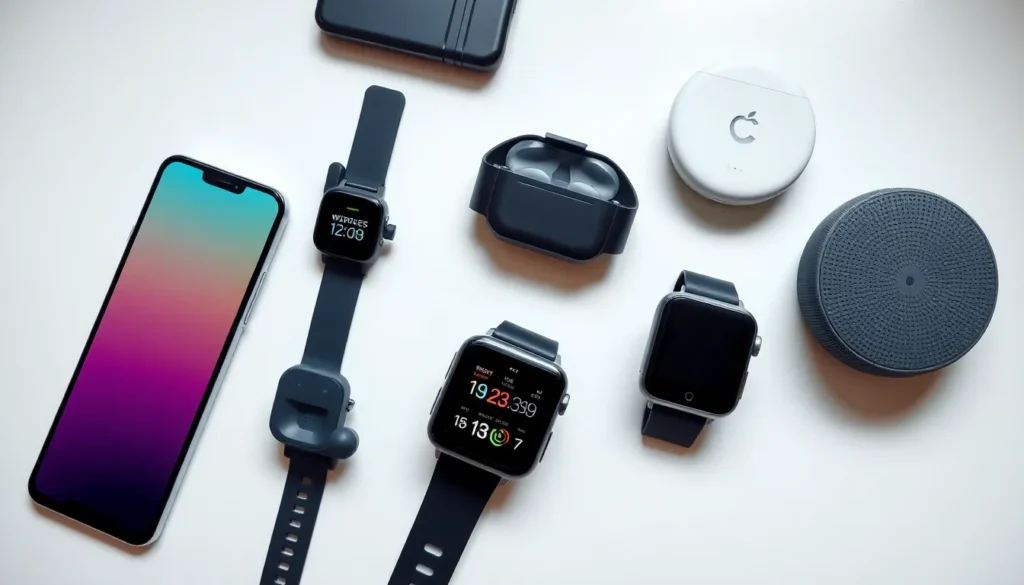
What is a gadget? The answer shapes how people interact with technology every day. A gadget is a small, specialized device designed to perform a specific function. These tools range from smartphones and smartwatches to wireless earbuds and fitness trackers.
Gadgets have become essential parts of modern life. They simplify tasks, provide entertainment, and keep people connected. Understanding what qualifies as a gadget helps consumers make better purchasing decisions. It also reveals how technology continues to change daily routines.
This article explores the definition of gadgets, their common types, and their evolution over time. It also examines why these devices matter in everyday life.
Table of Contents
ToggleKey Takeaways
- A gadget is a small, portable electronic device designed to perform a specific function, such as smartphones, smartwatches, and fitness trackers.
- Modern gadgets are defined by four key characteristics: portability, specific functionality, electronic components, and user-friendly design.
- Common gadget categories include communication devices, wearables, entertainment systems, smart home tools, and health monitoring equipment.
- Gadgets have evolved from simple pocket calculators in the 1970s to AI-powered smart devices that understand natural language and recognize faces.
- Understanding what a gadget is helps consumers make smarter purchasing decisions and reveals how technology continues to shape daily routines.
- While gadgets offer benefits like improved productivity, health monitoring, and connectivity, users should remain mindful of screen time and privacy concerns.
Defining Gadgets in the Digital Age
A gadget is a compact electronic device with a specific purpose. The term comes from the French word “gâchette,” meaning a small tool or mechanism. Today, gadgets refer to portable technology that performs particular functions.
Several characteristics define modern gadgets:
- Portability: Most gadgets are small enough to carry or wear
- Specific function: Each gadget serves a defined purpose
- Electronic components: Modern gadgets contain circuits, sensors, or processors
- User-friendly design: Gadgets prioritize ease of use
Gadgets differ from general appliances or computers. A refrigerator is an appliance. A desktop computer is a computing system. But a smartwatch? That’s a gadget. It’s compact, portable, and designed for specific tasks like tracking fitness or displaying notifications.
The digital age has expanded what counts as a gadget. Traditional gadgets included calculators, radios, and cameras. Now, the category includes drones, VR headsets, and smart home devices. The common thread remains: gadgets are specialized tools that make life easier or more enjoyable.
Some people use “gadget” interchangeably with “device” or “gizmo.” While these terms overlap, gadget typically implies something clever, innovative, or particularly useful. A gadget often feels like a solution to a problem people didn’t know they had.
Common Types of Gadgets
Gadgets span multiple categories based on their primary functions. Here are the most popular types people use today.
Communication Gadgets
Smartphones lead this category. These gadgets combine calling, texting, internet access, and countless apps into one device. Tablets offer larger screens for similar functions. Wireless earbuds like AirPods enable hands-free communication.
Wearable Gadgets
Wearable gadgets attach to the body. Smartwatches track time, health metrics, and notifications. Fitness trackers monitor steps, heart rate, and sleep patterns. Some wearable gadgets now include ECG monitoring and blood oxygen sensors.
Entertainment Gadgets
This category focuses on fun and media consumption. Gaming consoles, portable speakers, and e-readers fall here. Streaming devices like Roku and Fire TV Stick transform regular televisions into smart entertainment centers. VR headsets create immersive gaming and viewing experiences.
Smart Home Gadgets
Smart home gadgets automate household tasks. Smart speakers respond to voice commands. Smart thermostats learn user preferences and adjust temperatures automatically. Video doorbells show visitors before anyone opens the door. Robot vacuums clean floors without human intervention.
Health and Fitness Gadgets
Beyond basic fitness trackers, this category includes smart scales, blood pressure monitors, and sleep trackers. Some gadgets measure glucose levels or remind users to take medication. These devices help people monitor and improve their health.
Photography and Video Gadgets
Action cameras capture adventures in harsh conditions. Drones record aerial footage. Gimbals stabilize smartphone videos. These gadgets have made high-quality content creation accessible to everyone.
How Gadgets Have Evolved Over Time
Gadget evolution reflects broader technological progress. Each decade has brought smaller, smarter, and more connected devices.
The 1970s introduced pocket calculators. These gadgets replaced bulky adding machines with devices that fit in a shirt pocket. The Walkman arrived in 1979, letting people carry music wherever they went. These early gadgets established portability as a key feature.
The 1990s saw gadgets become digital. CD players replaced cassette-based Walkmans. PDAs (Personal Digital Assistants) combined calendars, contacts, and notes in handheld devices. Digital cameras started replacing film cameras.
The 2000s brought connectivity to gadgets. The iPod transformed music storage and playback. Early smartphones merged phones with PDAs. GPS navigation gadgets replaced paper maps for drivers. Bluetooth technology enabled wireless connections between gadgets.
The 2010s marked the rise of smart gadgets. The smartphone became the central gadget for most people. Fitness trackers created the wearable category. Smart home gadgets like Nest thermostats and Amazon Echo speakers connected homes to the internet.
Today’s gadgets feature artificial intelligence. Voice assistants understand natural language. Cameras recognize faces and scenes. Health gadgets detect irregular heart rhythms. AI makes gadgets more intuitive and useful.
Miniaturization drives gadget evolution. Components shrink while capabilities grow. A modern smartwatch contains more computing power than early desktop computers. This trend shows no signs of slowing.
Why Gadgets Matter in Everyday Life
Gadgets have transformed how people live, work, and play. Their impact extends across multiple areas of daily life.
Productivity and Efficiency
Gadgets save time on routine tasks. A smartphone replaces dozens of separate tools: camera, calculator, map, calendar, and more. Smart home gadgets automate lighting, climate control, and security. These efficiencies add up to hours saved each week.
Health Monitoring
Health-focused gadgets empower individuals to track their wellbeing. Fitness trackers encourage movement and better sleep habits. Medical gadgets help people manage chronic conditions at home. This data helps users make informed health decisions and share information with doctors.
Communication and Connection
Gadgets keep people connected across distances. Video calls happen instantly on smartphones. Messaging apps enable real-time conversations. Social media gadgets and apps maintain relationships that geography once would have ended.
Entertainment Access
Entertainment gadgets provide unlimited content options. Streaming devices offer thousands of movies and shows. E-readers store entire libraries. Gaming gadgets deliver immersive experiences. Boredom has become optional.
Safety and Security
Smart gadgets enhance personal and home security. GPS trackers locate lost items or loved ones. Video doorbells monitor home entrances. Smoke detectors send alerts to smartphones. These gadgets provide peace of mind.
Learning and Information
Educational gadgets support lifelong learning. Tablets serve as interactive textbooks. Language learning gadgets teach through audio and visual lessons. Access to information has never been easier or faster.
Gadgets also present challenges. Screen time concerns, privacy issues, and electronic waste require attention. But for most users, the benefits of gadgets outweigh the drawbacks.